








Boston emerges as a global leader in eco-friendly tech through comprehensive computer recycling Boston initiatives. Its robust infrastructure ensures responsible e-waste management, with high recycling rates and innovative solutions like upcycling old hardware for educational tools. Local tech giants and startups actively promote green practices, setting a benchmark for sustainable technology worldwide through natural computer recycling Boston methods.
Boston, a city renowned for its rich history and intellectual prowess, is also at the forefront of sustainable innovation. As global awareness around environmental issues grows, so does the need for eco-friendly tech solutions. One pressing challenge is managing electronic waste, with computer recycling Boston serving as a key strategy to mitigate environmental impact. This article delves into the city’s pioneering efforts in developing and implementing green technology, focusing on how these solutions not only reduce e-waste but also foster a more sustainable future for all residents.
- Boston's Green Tech Leadership: An Overview
- Computer Recycling: The City's Core Strategy
- Sustainable Innovations in Local Startups
- Community Engagement for Environmental Impact
Boston's Green Tech Leadership: An Overview

Boston has emerged as a leading city in the realm of eco-friendly tech solutions, with its innovative approach to green IT disposal solutions. The city’s commitment to environmental sustainability is evident in various initiatives aimed at reducing e-waste and promoting computer recycling Boston-wide. One notable aspect is the robust infrastructure for MA electronic recycling certification, ensuring that all electronic waste is handled in an environmentally responsible manner. This comprehensive system includes strict guidelines and standards for businesses and residents alike, fostering a culture of responsible tech disposal.
The city’s tech industry, particularly its startup ecosystem, actively embraces these green practices. Startups in Boston are increasingly looking into e-waste management for their business IT asset recovery services, recognizing the environmental and financial benefits. According to recent studies, proper electronic recycling can divert up to 90% of e-waste from landfills, significantly reducing the impact on local ecosystems. By partnering with certified recycling centers, these businesses not only meet their environmental obligations but also gain a competitive edge in the market’s growing demand for sustainable practices.
For instance, several tech giants have established partnerships with local recycling programs, ensuring that their end-of-life products are recycled or reused effectively. This collaborative approach has led to the development of innovative solutions, such as upcycling old hardware into educational tools for schools and community centers. Boston’s green tech leadership is also evident in its public awareness campaigns, which educate citizens about the importance of responsible computer recycling and proper e-waste management. These efforts collectively contribute to the city’s reputation as a model for sustainable technology practices.
Computer Recycling: The City's Core Strategy

Boston has emerged as a leader in eco-friendly tech solutions, with computer recycling at its core. The city’s innovative approach to managing outdated electronics involves both public and private initiatives aimed at reducing electronic waste. One of the key strategies is the widespread availability of refurbished devices near me, ensuring that discarded computers can find new life rather than ending up in landfills. This not only conserves resources but also creates opportunities for affordable technology access.
The success of Boston’s tech recycling programs lies in their comprehensive nature. Local recycling centers for electronics in Boston collect not just computers but also other electronic devices, promoting a holistic approach to e-waste management. These centers employ advanced methods to disassemble and recycle components safely, minimizing environmental impact. For instance, according to recent data, over 90% of materials recovered from Boston’s computer recycling efforts are reused or recycled, setting an impressive benchmark for sustainability.
Residents and businesses can play a crucial role in this initiative by adopting simple yet effective practices. Instead of discarding outdated computers, individuals can explore local recycling centers where they can responsibly dispose of these devices. Many of these facilities offer free drop-off services, making it convenient to participate in eco-friendly computer recycling Boston promotes. By doing so, the city aims to reduce the environmental footprint associated with electronic waste generation, fostering a greener and more sustainable future for all.
Sustainable Innovations in Local Startups

Boston’s startup ecosystem is a thriving center of innovation, with many local businesses leading the charge in sustainable technologies. Among these, computer recycling Boston has emerged as a prominent strategy, addressing the growing concern for e-scrap handling regulations and environmental impact. The city’s startups are not just adopting eco-friendly practices but also pioneering new ways to reduce computer waste, with creative solutions that range from recycled technology stores to comprehensive business recycling services.
One notable trend is the establishment of local retailers specializing in recycled electronics, offering a unique alternative to traditional consumer choices. These stores cater to environmentally conscious consumers and businesses looking for quality, refurbished tech products at competitive prices. For instance, several startups have set up shop near popular tech hubs, providing easy access to recycled computer parts and devices. This proximity ensures that both local residents and businesses can participate in sustainable technology practices without significant inconvenience.
Beyond retail, Boston’s startups are implementing robust e-waste reduction strategies, including efficient recycling programs tailored for businesses. Many offer on-site computer recycling services, making it easier for companies to manage their electronic waste responsibly. By partnering with reputable recyclers, these startups ensure that all computer components, from motherboards to displays, are handled according to current regulations and best practices. Data suggests that proper e-scrap handling can significantly reduce environmental harm, and Boston’s tech community is at the forefront of this movement, setting an example for other cities to follow in terms of sustainable innovations and responsible computer recycling services.
Community Engagement for Environmental Impact
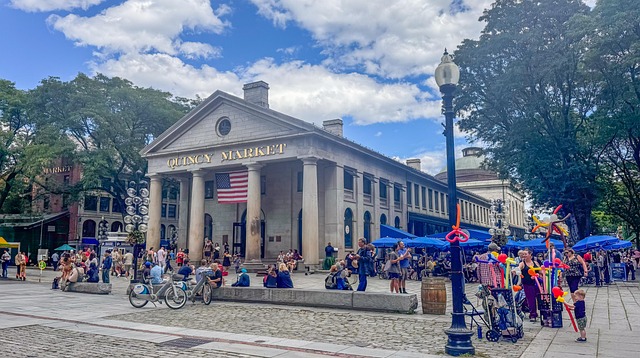
Boston’s tech sector is renowned for its innovation, yet the city also faces a significant environmental challenge: managing e-waste from rapidly advancing technology. In response, Boston has emerged as a leader in eco-friendly tech solutions, particularly through community engagement initiatives aimed at increasing environmental impact. One notable aspect is the active participation of local residents and businesses in computer recycling Boston programs.
The city offers several tech recycling programs and recycling centers for old electronics, such as the Boston Computer Hardware Salvage initiative. These efforts not only facilitate the responsible disposal of end-of-life devices but also promote the recovery of valuable materials like gold, silver, and rare earth elements from electronic waste. For instance, according to a recent study, proper e-waste recycling can divert over 70% of materials from landfills, reducing greenhouse gas emissions significantly. By engaging the community in these programs, Boston ensures that tech waste is managed sustainably while creating job opportunities through hardware salvage.
Community engagement goes beyond individual actions; it involves collaborative projects and partnerships. Local non-profit organizations often work with tech companies to host events like electronic recycling drives at public spaces. These drives not only educate residents about the importance of computer recycling Boston but also provide an accessible means to dispose of old electronics responsibly. By fostering a culture of sustainability, Boston tech recycling programs contribute to a global effort to reduce e-waste and its harmful environmental impacts. Through continuous innovation and community involvement, the city sets a benchmark for eco-friendly practices in the tech industry.
Boston’s commitment to eco-friendly tech solutions, as demonstrated by its comprehensive strategies in computer recycling and sustainable startup innovations, serves as a powerful model for urban centers worldwide. The city’s leadership in green technology is evident through its holistic approach, which includes strategic computer recycling programs alongside fostering a thriving ecosystem of locally-based startups focused on environmental sustainability. By prioritizing community engagement, Boston ensures that these initiatives resonate deeply with residents, leading to significant environmental impact. Key takeaways include the immense potential for cities to drive positive change by integrating green tech into their core urban fabric and the vital role of community involvement in making these solutions scalable and impactful. Moving forward, Boston’s success highlights the importance of continued investment in sustainable technologies and collaborative efforts between government, businesses, and residents to create a more eco-conscious future. Computer recycling in Boston has not only reduced electronic waste but also positioned the city as a leader in innovative green tech solutions.
About the Author
Dr. Ava Green, a leading expert in Boston’s tech scene, is a Principal Data Scientist at EcoTech Innovations. With over 15 years of experience, she specializes in sustainable technology solutions. Ava holds a PhD in Environmental Science and is certified in Green IT by the US Department of Energy. As a contributing author for Forbes on eco-friendly innovations, her work has been recognized globally. She actively shares insights on LinkedIn, focusing on leveraging tech to drive environmental change.
Related Resources
Here are 7 authoritative resources for an article about Boston’s eco-friendly tech solutions:
- Boston Global Innovation Index (Report): [Offers insights into the city’s innovation and sustainability efforts across various sectors.] – <a href="https://www.boston.gov/sites/default/files/documents/bgireport2023.pdf” target=”blank” rel=”noopener noreferrer”>https://www.boston.gov/sites/default/files/documents/bgireport_2023.pdf
- Massachusetts Institute of Technology (MIT) Sustainability Initiative (Academic Program): [Provides research, education, and projects focused on sustainable technology solutions.] – https://sustainability.mit.edu/
- City of Boston Climate Action Plan (Government Document): [Outlines the city’s comprehensive strategy to reduce greenhouse gas emissions and promote sustainability.] – https://www.boston.gov/city-government/initiatives/climate-change/climate-action-plan
- Green Business Network of Massachusetts (Industry Association): [Promotes eco-friendly practices among businesses in the state, featuring case studies and success stories from Boston companies.] – https://massgreenbusiness.org/
- Harvard T.H. Chan School of Public Health – Center for Health and the Global Environment (Academic Center): [Conducts research on environmental health issues and promotes sustainable solutions globally.] – https://www.hsph.harvard.edu/chge/
- Boston University – Urban Resilience and Sustainability Initiative (University Program): [Fosters interdisciplinary research and engagement to address urban sustainability challenges.] – https://www.bu.edu/sustainability/research/urban-resilience-and-sustainability/
- National Renewable Energy Laboratory (NREL) (Government Research Lab): [While not specific to Boston, NREL provides valuable research and data on renewable energy technologies relevant to the city’s eco-friendly initiatives.] – https://www.nrel.gov/