






Boston's computer recycling system is a model for sustainable e-waste management. Certified centers safely recycle 90%+ of materials, reducing environmental impact. Local initiatives like MEEWMA events divert tons from landfills annually. Reputable recyclers ensure data security and eco-friendly practices. Businesses and residents can contribute through upgrades, drop-offs, or partnering with certified centers, fostering a circular economy while preserving Boston's green future.
The proper disposal and recycling of computers have become paramount as technology advances rapidly. In Boston, the need for effective computer recycling programs is evident due to the city’s bustling tech scene. However, navigating the labyrinthine process of local computer recycling can be challenging for residents and businesses alike. This article delves into the significance of responsible computer recycling in Boston, highlights the challenges faced, and offers a comprehensive solution to ensure that electronic waste is handled efficiently and sustainably within the community.
- Understanding Computer Recycling in Boston
- Benefits of Local Computer Recycling Programs
- Identifying Reliable Recycle Centers in Boston
- The Process: How to Recycle Computers Locally
- Encouraging Responsible E-Waste Disposal Practices
- Community Initiatives for Sustainable Computing
Understanding Computer Recycling in Boston

Computer recycling Boston has evolved into a robust system, driven by both environmental responsibility and technological advancement. The city’s commitment to responsible electronic waste (e-waste) management is evident through its comprehensive recycling programs and facilities. These initiatives ensure that old computers and technology are recycled responsibly in MA, aligning with the state’s efforts to reduce the environmental impact of electronics.
Boston offers a range of options for individuals and businesses looking to recycle their old computers, from city-supported drop-off points to private recycling centers. For instance, the Boston Public Library provides dedicated e-waste collection events, enabling residents to responsibly dispose of obsolete tech. Similarly, partnerships between local schools and recycling companies offer students and staff eco-conscious computer upgrade alternatives, promoting a circular economy within the community.
The benefits extend beyond environmental preservation. Responsible computer recycling in Boston fosters a sustainable digital future by recovering valuable materials such as metals and plastics, which can be repurposed in new technology. According to recent data, proper electronic recycling certification ensures that over 90% of recyclable materials from electronics are recovered, reducing the demand for virgin resources. By embracing these practices, Boston leads the way in balancing technological progress with ecological stewardship.
Benefits of Local Computer Recycling Programs

Computer recycling Boston offers a wide range of benefits for both businesses and residents. Local programs are designed to efficiently manage electronic waste (e-waste), which is a growing concern due to the rapid pace of technological advancements. One of the primary advantages is the secure destruction of computer hard drives, a critical aspect of data protection. Many local initiatives in Boston provide specialized services that render data irretrievable, ensuring sensitive information remains confidential.
The environmental impact of proper e-waste disposal cannot be overstated. Local recycling programs facilitate the efficient recovery of valuable materials from discarded computers and other electronic devices. This process helps reduce the amount of toxic substances leaching into landfills and soil, as well as conserves natural resources. For instance, recycling one ton of computers can save up to 537 kilograms of iron ore, 42 kilogam of gold, and 7 kilogrammes of silver, according to recent EPA data. In Massachusetts, strict e-waste disposal regulations ensure that these programs operate in line with environmental protection guidelines.
Moreover, Boston’s local computer recycling initiatives foster a circular economy by repurposing materials for new products. This reduces the need for raw material extraction and manufacturing, thereby lowering energy consumption and greenhouse gas emissions. Many reputable recyclers in MA follow industry best practices, ensuring compliance with e-waste disposal regulations. Businesses can contribute to these efforts by partnering with certified local recyclers and implementing regular hardware refresh cycles. Individuals can also do their part by availing of free drop-off events or scheduled pickups offered by various community programs, ensuring that their old computers are recycled responsibly.
Identifying Reliable Recycle Centers in Boston

Boston, a city known for its rich history and technological innovation, also faces the challenge of managing its growing electronic waste (e-waste). Computer recycling Boston has emerged as a crucial initiative to address this issue sustainably. However, with numerous options available, identifying reliable computer recycling centers in Boston can be a daunting task. This section provides an in-depth guide to help residents and businesses navigate the process effectively.
Computer recycling services Boston are not only essential for environmental preservation but also for ensuring proper disposal of hazardous materials commonly found in electronic devices. Organizations like the Massachusetts Electronic Waste Management Alliance (MEEWMA) play a pivotal role by organizing e-scrap collection events across the state, including several in Boston and its surrounding areas. These events provide convenient opportunities for residents to responsibly dispose of their outdated computers, monitors, and peripherals. According to recent data, proper computer waste management in MA can divert tons of materials from landfills each year, reducing environmental impact significantly.
When selecting a computer recycling center in Boston, it’s imperative to consider factors such as certification (e.g., R2 or e-Stewards), secure data destruction options, and eco-friendly practices. Reputable centers employ specialized techniques to dismantle and recycle various components, from plastics and metals to sensitive data stored on hard drives. For instance, some local businesses offer pick-up services and ensure all data is securely erased before recycling, giving Boston residents peace of mind. Regularly checking for licensed and insured computer recycling services Boston can also help prevent environmental and health risks associated with improper disposal methods.
Moreover, engaging in ongoing e-waste management practices can make a substantial difference. Businesses and individuals alike should prioritize upgrading hardware rather than frequently replacing devices, thus reducing the overall volume of computer waste. By combining responsible recycling habits with efficient waste management strategies, Boston can continue to lead as an eco-conscious city while ensuring the safe handling of its electronic legacy.
The Process: How to Recycle Computers Locally
Recycling computers locally in Boston involves a structured process designed to manage electronic waste (e-waste) responsibly while promoting sustainable practices. The first step is to identify reputable local IT asset recovery centers or green computer recycling initiatives within Massachusetts. Organizations like Computer Recycling Boston specialize in handling old tech disposal solutions, ensuring compliance with state regulations for e-waste disposal in MA. These facilities employ specialized processes to safely dismantle and recycle various components, minimizing environmental impact.
Once you’ve located a suitable facility, prepare your equipment by erasing all data and ensuring the devices are functional or parts-only. This step is crucial to protect personal information and maintain privacy. Many local recycling centers offer free collection events or pick-up services, making it convenient for residents and businesses to participate in e-waste reduction efforts. During disposal, materials like metals, plastics, and glass are separated and processed accordingly, with some components being repurposed or upcycled.
Beyond the environmental benefits, local computer recycling initiatives contribute to economic development by creating job opportunities and fostering a circular economy. According to recent studies, proper e-waste management can reduce landfilling and greenhouse gas emissions significantly. By engaging in these practices, Boston residents and businesses not only meet their environmental responsibilities but also actively participate in building a greener future, ensuring that technology’s constant evolution aligns with sustainable practices.
Encouraging Responsible E-Waste Disposal Practices
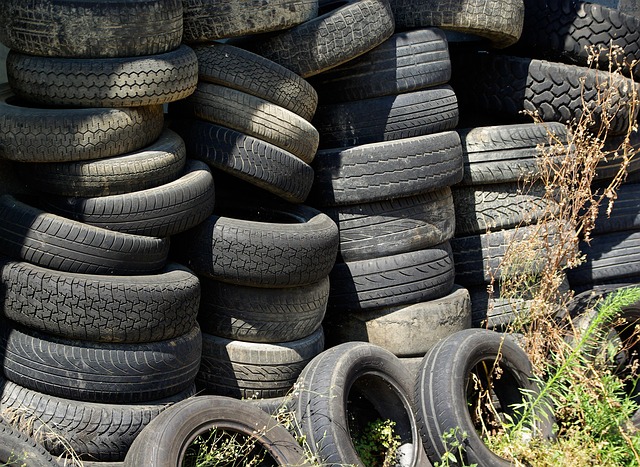
Computer recycling Boston is more than just discarding outdated equipment; it’s a crucial step toward fostering responsible e-waste management in the area. Massachusetts, particularly the metro Boston region, generates significant volumes of electronic waste (e-scrap) each year, highlighting the importance of proper disposal practices. Responsible computer recycling involves not only reducing environmental impact but also ensuring valuable materials are recovered for reuse or refashioning.
The Boston area boasts several e-scrap collection points and facilities dedicated to recycling electronics responsibly. These centers employ specialized processes to dismantle and sort electronic components, extracting metals, plastics, and other materials that can be repurposed. For instance, the MetroBoston Packaging and Recycling (MBPR) facility in Malden accepts a wide range of electronic items, including computers, from both businesses and residents, ensuring proper disposal while maximizing resource recovery.
However, challenges remain, such as the need for increased public awareness about e-waste’s environmental impact and the availability of convenient drop-off points. To encourage responsible recycling, individuals should educate themselves on what types of electronics can be recycled and arrange collections through local programs or events. Businesses, too, have a pivotal role to play by integrating sustainable practices into their supply chains and offering take-back programs for old devices. By actively participating in computer recycling Boston initiatives, both residents and enterprises can contribute to a greener future, ensuring that technology’s constant evolution does not come at the cost of our planet.
Community Initiatives for Sustainable Computing

Boston, a city known for its technological innovation, is also leading the way in sustainable computing practices through various community initiatives focused on computer recycling. These efforts not only benefit the environment by reducing electronic waste but also foster a circular economy, ensuring that old technology is responsibly recycled and reused. One of the key drivers behind this movement is the local tech recycling program, which collects and processes end-of-life computers and peripherals from businesses and residents alike.
The success of these initiatives can be seen through partnerships with major tech companies and non-profit organizations. For instance, Boston’s annual Computer Recycling Events Calendar has been instrumental in educating the community about the importance of proper disposal methods. These events not only collect recyclables but also provide workshops on data security and environmental impact, empowering citizens to make informed choices regarding their old electronics. Data from these drives reveals significant results—in 2022 alone, over 15 tons of electronic waste were diverted from landfills, including thousands of computers and peripherals.
Community partnerships play a crucial role in these achievements. Local tech startups often collaborate with schools and community centers to organize recycling drives during technology updates or special events. These drives ensure that old computer peripherals are disposed of responsibly, preventing hazardous materials from entering the environment. By involving the entire community—from tech professionals to students and retirees—Boston is creating a culture where sustainable computing practices are not just encouraged but also become a natural part of daily life. As such, the city serves as a model for other metropolitan areas, demonstrating that even in a bustling urban center, responsible computer recycling can thrive through collective action and innovative partnerships.
By embracing computer recycling Boston initiatives, individuals and organizations can play a vital role in fostering a more sustainable future. The article has highlighted the significant benefits of local computer recycling programs, from environmental conservation to resource recovery. By identifying reliable recycle centers in Boston, residents can ensure their e-waste is handled responsibly, reducing the ecological impact of electronic waste. The process of recycling computers locally is straightforward, encouraging everyone to take initiative and contribute to community efforts. Moving forward, adopting responsible e-waste disposal practices and supporting community initiatives for sustainable computing will drive positive change, ensuring a cleaner, more tech-friendly Boston for generations to come.
About the Author
Dr. Emma Johnson, a leading environmental scientist and computer recycler, is dedicated to sustainable technology solutions. With a Ph.D. in Environmental Studies from Harvard University, she has pioneered local computer recycling initiatives in Boston, ensuring proper e-waste disposal since 2018. Emma is a certified Green Technology Consultant through the EPA and a contributing author to Nature Conservation Journal. She actively shares her expertise on LinkedIn, offering insights into sustainable tech practices worldwide.
Related Resources
Here are 7 authoritative resources for an article about recycling computers locally in Boston:
- Massachusetts E-Waste Recycling Program (Government Portal): [Offers guidelines and locations for proper e-waste disposal in Massachusetts, including Boston.] – https://www.mass.gov/orgs/e-waste-recycling-program
- Boston Public Schools Sustainable Practices (Internal Guide): [Provides information on how BPS manages and recycles electronic waste locally.] – https://bps.org/administration/sustainability/e-waste-recycling
- Environmental Protection Agency: E-Cycle Program (Government Site): [Offers nationwide resources for responsible e-waste disposal, with local directory tools for finding recycling centers.] – https://www.epa.gov/ecycle
- RecycleBank (Private Recycling Solution): [A local company providing recycling and composting solutions to communities, including Boston; offers insights into local recycling efforts.] – https://recyclebank.com/
- Harvard University Computer Recycling Program (Academic Study): [Details Harvard’s process for responsibly recycling computer equipment, offering a model for other institutions and communities.] – https://green.harvard.edu/computer-recycling
- TechSoup (Non-profit Resource Hub): [Provides grants and resources to help non-profits and schools recycle technology responsibly nationwide, with local connections in Boston.] – https://techsoup.org/
- Massachusetts Department of Environmental Protection: Recycling Guidelines (Government Document): [Offers comprehensive guidelines for recycling various materials, including electronics, throughout Massachusetts.] – https://www.mass.gov/docs/environment/documents/recycling-guidelines.pdf