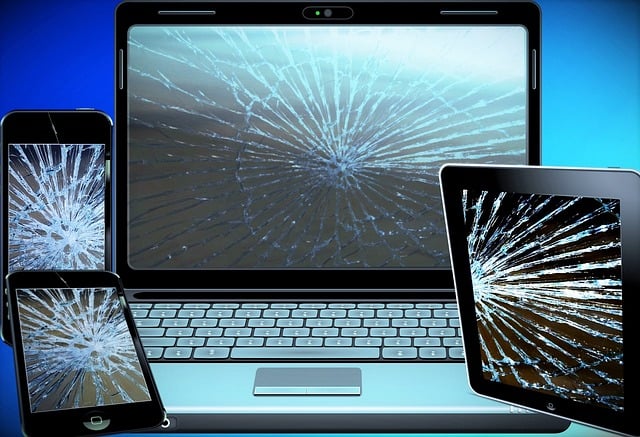








The Boston Recycling Initiative focuses on computer recycling Boston (e-waste management) through partnerships with specialized businesses for safe disposal and hard drive destruction. They disassemble computers to recover precious metals, educate the public, and prevent electronic waste from landing in landfills. Computer recycling Boston programs include same-day pickup services, high recycling rates (over 90%), and local job creation. In 2022, Boston residents recycled over 100 tons of e-waste. The city's commitment to a sustainable future through computer recycling Boston has set an inspiring example for global tech waste management.
The rapid growth of technology has led to a corresponding surge in electronic waste, or e-waste, posing significant environmental challenges across the globe. In Boston, as in many urban centers, the accumulation of obsolete computers, smartphones, and other electronics is a pressing issue. Same-day e-waste pickup offers a promising solution, enabling residents to responsibly dispose of their old devices while promoting sustainable computer recycling Boston practices. This article delves into the importance of timely e-waste management, outlines the current problems, and explores how this innovative service can contribute to a greener future for our city.
- Understanding E-Waste: The Boston Recycling Initiative
- Benefits: Why Computer Recycling is Essential in Boston
- Collection Process: How Same-Day Pickups Work
- Environmental Impact: Boston's Computer Recycling Success Story
- Sustainable Future: Expanding Boston's E-Waste Solutions
Understanding E-Waste: The Boston Recycling Initiative

Understanding E-Waste: The Boston Recycling Initiative offers a comprehensive solution to managing computer recycling Boston and electronic waste across Massachusetts. In an era where technology advances rapidly, responsible e-waste management has become paramount. Computer parts salvage yards Boston have long been a part of this initiative, ensuring that discarded computer hardware is handled with care. Data from the EPA reveals that electronics are among the fastest-growing types of waste in the US, highlighting the need for effective computer recycling events Massachusetts and beyond.
The Boston Recycling Initiative takes a multi-faceted approach to address this challenge. They collaborate closely with e-waste recycling businesses to facilitate proper disposal and hard drive destruction services MA, ensuring that sensitive data is permanently erased. This meticulous process includes disassembly of computers into their individual components, allowing for the salvage and repurposing of valuable materials such as gold, silver, and rare earth metals. By partnering with specialized computer recycling events Massachusetts, they maximize the efficiency of this critical process, turning e-waste into resources that can be reused.
In addition to these efforts, the initiative educates the public about the environmental impact of electronic waste, promoting responsible disposal practices. They provide clear guidelines for computer hard drive destruction services MA and electronic waste recycling, ensuring that both businesses and residents understand their role in protecting the environment. For instance, during special computer recycling events Massachusetts, tons of outdated technology are collected, preventing them from ending up in landfills where they can leach toxic substances into the soil and groundwater. Through these concerted actions, Boston stands as a model for responsible e-waste management across the nation.
Benefits: Why Computer Recycling is Essential in Boston

Computer recycling Boston is an essential practice that goes beyond mere environmental responsibility; it’s a strategic move for businesses, startups, and residents alike to navigate the ever-changing digital landscape. The city’s robust e-scrap handling regulations ensure that outdated computers and electronic devices are disposed of safely and responsibly. This commitment to sustainable technology management is reflected in the abundance of recycling centers for electronics in Boston, offering convenient drop-off points for individuals and organizations looking to dispose of their obsolete tech.
One of the significant benefits of computer recycling Boston is the reduction of e-waste, a growing global concern. According to recent studies, proper e-scrap handling can divert tons of hazardous materials from landfills, minimizing environmental pollution and soil contamination. Additionally, it facilitates the recovery of valuable metals like gold, silver, and aluminum, fostering a circular economy where resources are repurposed and reused. For startups and businesses, IT asset recovery services play a pivotal role in this process. These specialized services not only ensure secure data erasure but also provide an efficient means to offload obsolete hardware while maximizing financial returns through the resale or recycling of components.
Moreover, computer recycling Boston promotes innovation and supports local job creation. The city’s thriving tech community thrives on accessible e-waste management solutions, enabling businesses to stay agile and adaptable in a rapidly evolving digital world. By prioritizing proper disposal methods and recycling centers for electronics, Boston sets an example for sustainable technology practices, ensuring that both the environment and its economy thrive well into the future.
Collection Process: How Same-Day Pickups Work

Same-day e-waste pickup services have emerged as a game-changer in efficient computer recycling Boston and beyond. These innovative solutions streamline the process of responsible electronic waste management, particularly for businesses operating in the Boston area. By partnering with local computer recycling centers, tech companies can now facilitate the collection and refurbishment of used devices, contributing to both sustainable practices and environmental stewardship.
The behind-the-scenes mechanism is a refined system of local partnerships and efficient logistics. When a business decides to participate in such programs, they are connected to a network of specialized recycling facilities. On the day of collection, trained professionals arrive at the business location, securely collect the old electronics—from computers and laptops to servers and peripherals—and transport them to nearby recycling centers. These centers then meticulously process the e-waste, ensuring hazardous materials are handled with care. The devices are disassembled, tested for functionality, and either refurbished for resale or safely dismantled for raw material recovery.
For instance, some Boston-based tech companies have reported impressive results through local partnerships, achieving a recycling rate of over 90% for their e-waste. This not only minimizes the environmental impact but also provides an opportunity to recover valuable resources, such as gold and silver from circuit boards. By participating in these sustainable tech recycling programs, businesses can contribute to the local economy while promoting responsible disposal practices. Computer recycling Boston has never been more efficient, ensuring that electronic waste is transformed into usable materials or safely disposed of, all within a single day’s turnaround.
Environmental Impact: Boston's Computer Recycling Success Story

Boston’s commitment to environmental stewardship is evident through its pioneering efforts in computer recycling, setting a benchmark for sustainable tech waste management. The city’s innovative approach has led to significant reductions in electronic waste ending up in landfills, demonstrating that effective computer recycling programs can have a profound impact on the environment.
At the heart of this success lies a comprehensive network of Boston tech recycling programs and drop-off points strategically located across the metropolis. These initiatives facilitate the collection and responsible disposal or repurposing of old computers and electronic devices. For instance, the city’s annual e-waste events attract thousands of residents who bring in their outdated gadgets, ensuring proper disposal and preventing these items from becoming hazardous waste. According to recent data, Boston residents recycled over 100 tons of electronic waste in 2022 through various programs, a testament to the community’s involvement and awareness.
The Massachusetts Electronic Waste Guidelines play a pivotal role in guiding these recycling efforts, ensuring that both businesses and individuals handle their electronic waste responsibly. By adhering to these guidelines, Boston has created a sustainable cycle where old tech is either refurbished for resale or broken down into components that can be reused or recycled, reducing the demand for new raw materials. This not only minimizes environmental degradation but also provides an opportunity to recover valuable resources such as precious metals and plastics.
To encourage further participation, local organizations partner with certified e-waste facilities to ensure data security and proper disposal. Additionally, many recycled computers are sold at affordable prices through various online platforms and local charities, fostering a circular economy where old tech becomes accessible to those in need. By integrating computer recycling into the fabric of Boston’s community, the city has set an inspiring example for other urban centers, proving that effective e-waste management is not just environmentally crucial but also economically viable.
Sustainable Future: Expanding Boston's E-Waste Solutions

Boston’s commitment to a sustainable future is evident in its growing e-waste management solutions. With an increasing volume of electronic waste, often referred to as e-scrap or computer recycling Boston, the city has recognized the need for efficient and eco-friendly disposal methods. The primary goal is to reduce the environmental impact of old technology while ensuring proper resources recovery. Computer recycling Boston initiatives have gained momentum, fostering partnerships between local businesses, non-profits, and government bodies to tackle this complex issue head-on.
One notable example is the implementation of regular computer trash removal events across the city. These community-driven efforts encourage residents and businesses to responsibly dispose of their outdated electronics. For instance, monthly e-waste collection drives in various Boston neighborhoods have proven successful, with participation rates rising year over year. Such partnerships facilitate the proper recycling of materials like metals, plastics, and glass, preventing these resources from ending up in landfills or being improperly disposed of as regular trash.
Moreover, Boston’s computer recycling events calendar is a valuable resource for residents seeking convenient drop-off points for their old devices. These events not only promote responsible disposal but also educate the public about the environmental significance of e-waste management. By expanding access to these services, Boston can significantly reduce its electronic waste footprint. Data suggests that proper e-scrap collection and recycling can divert tons of material from landfills annually, contributing to a greener future for the city and surrounding areas.
Same-day e-waste pickup, as demonstrated by Boston’s recycling initiative, offers a compelling solution to the growing challenge of electronic waste. By prioritizing computer recycling in Boston, the city has not only achieved significant environmental benefits but also set a standard for sustainable practices globally. The key insights reveal that efficient collection processes, when combined with robust environmental management, can revolutionize how we handle e-waste. This article underscores the importance of community engagement and innovative technologies in ensuring a sustainable future. Practical next steps include expanding same-day pickup services, increasing public awareness about proper e-waste disposal, and fostering partnerships between tech companies and recycling centers to drive continuous improvement in computer recycling Boston and beyond.