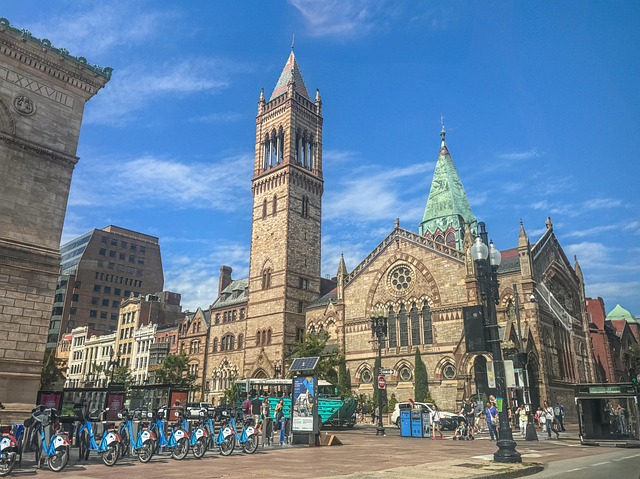








Computer recycling Boston is a state-mandated and highly beneficial practice focusing on responsible IT asset management. Reputable local companies offer free drop-off events with high recovery rates, diverting 80% of e-waste from landfills. Key considerations include choosing certified services with robust data security and adherence to Massachusetts best practices. The city provides multiple collection points, sells recycled computers, and hosts annual community events, achieving over 50% landfill diversion for electronic waste. Participating in these programs contributes to a circular economy, local job creation, and environmental preservation while securing data destruction and recovering valuable materials. Boston's comprehensive approach includes education campaigns, promoting regular recycling by individuals and organizations, and setting an example for sustainable urban living.
The responsible disposal of computers has become a pressing issue in our rapidly digitizing world. With the constant evolution of technology, outdated electronics often end up in landfills, posing significant environmental hazards. In Boston, the need for effective computer recycling programs is more crucial than ever to mitigate this growing problem. This article delves into the importance of local computer recycling efforts and presents a comprehensive strategy to ensure that electronic waste is handled responsibly and sustainably within the city. By exploring innovative solutions, we aim to empower Boston residents and businesses to contribute to a greener future through proper e-waste management.
- Understanding Computer Recycling Programs in Boston
- Local Collection Points for Old Computers
- The Benefits of Eco-Friendly Computing Practices
- Responsible Disposal: A Step-by-Step Guide for Boston Residents
Understanding Computer Recycling Programs in Boston

Computer recycling Boston is a crucial aspect of responsible IT asset management for both businesses and individuals. In Massachusetts, electronic waste (e-waste) disposition is regulated by state laws aimed at protecting public health and the environment. Computer recycling programs in Boston offer various benefits, including proper disposal of computer peripherals responsibly, which helps reduce toxic substance leaching into soil and water. These initiatives also contribute to the recovery of valuable materials that can be repurposed, thereby minimizing the need for mining new resources.
Boston’s IT asset recovery options include several reputable companies specializing in electronic recycling best practices. For instance, many programs offer free drop-off events throughout the year, making it convenient for residents and businesses alike to participate in responsible electronics recycling near me. According to recent studies, proper computer recycling can divert up to 80% of e-waste from landfills, with materials like gold, silver, and copper recovered at high efficiency rates. This not only conserves natural resources but also supports local job creation in the growing green economy.
When choosing a computer recycling Boston service, it’s essential to consider their certifications, security measures for data destruction, and adherence to MA electronic recycling best practices. Reputable programs will provide detailed documentation of the recycling process and ensure that all data is securely erased or destroyed. For businesses, proper IT asset disposal can also offer tax incentives, further underscoring the importance of engaging in these responsible practices. By implementing these strategies, Boston residents and organizations can contribute to a more sustainable future while ensuring their electronic waste is disposed of properly.
Local Collection Points for Old Computers

Computer recycling Boston is a significant initiative to reduce MA electronic waste, ensuring old tech becomes valuable resources rather than hazardous trash. The city offers numerous local collection points where residents can responsibly dispose of their outdated computers and other electronics. These drop-off locations play a vital role in the state’s e-waste management guidelines by providing convenient access for Boston computer trash removal. Many of these sites not only accept old computers but also offer recycled computers for sale, giving them a second life and extending their utility.
One notable example is the annual e-waste event hosted by local organizations, where residents can bring their outdated devices in exchange for discounts on new electronics or even gift cards. This initiative not only promotes recycling but also educates the community about sustainable tech practices. According to recent data, Boston has made significant strides in computer recycling, with over 50% of electronic waste being diverted from landfills through such programs. By participating in these local collection points, residents contribute to a circular economy where old tech becomes valuable assets for schools, non-profits, and even businesses looking for refurbished equipment.
Practical steps include identifying nearby drop-off locations, organizing community events to promote recycling, and partnering with local electronics retailers to offer incentives for old computer trade-ins. For instance, the city’s partnership with a leading tech store has resulted in thousands of pounds of e-waste being properly recycled annually. As Boston continues to innovate in sustainable practices, computer recycling remains a top priority, ensuring both environmental safety and resource conservation.
The Benefits of Eco-Friendly Computing Practices

Computer recycling Boston is more than just discarding old devices; it’s a crucial step towards fostering a sustainable tech ecosystem. The benefits extend far beyond local environmental preservation, impacting businesses, communities, and future technologies. By partnering with local computer recycling centers, Boston can ensure proper destruction services for sensitive data, maximizing the recovery of valuable computer parts. This approach not only reduces e-waste but also contributes to the development of eco-friendly recycling programs.
One notable example is the city’s collaboration with sustainable tech recycling initiatives, which have proven effective in diverting millions of pounds of electronics from landfills annually. These partnerships offer businesses and residents a convenient way to responsibly dispose of outdated computers, servers, and peripherals. Local recycling centers employ advanced techniques for computer parts destruction, ensuring data security while recovering materials like metals, plastics, and glass for reuse. This circular economy model not only minimizes environmental impact but also creates local job opportunities in the growing green tech sector.
Moreover, Boston’s commitment to sustainable computing practices extends to education and awareness campaigns that encourage individuals and organizations to recycle their electronics regularly. With proper guidance, residents can navigate the landscape of recycling centers for old electronics, ensuring their contributions align with eco-friendly principles. By embracing these responsible practices, Boston sets an example for other urban centers, demonstrating that a bustling metropolis can thrive while prioritizing environmental stewardship.
Responsible Disposal: A Step-by-Step Guide for Boston Residents

Boston residents have a significant role to play in protecting their environment through responsible computer recycling. With the ever-growing reliance on technology comes an equally substantial amount of electronic waste (e-waste), which can pose serious environmental and health risks if not properly disposed of. Computer recycling Boston is not just about discarding old devices; it’s about ensuring that valuable resources are reclaimed, toxic materials are kept out of landfills, and local communities remain sustainable.
In response to this challenge, numerous local tech recycling drives and e-scrap collection events in Boston, MA have been organized by community groups, non-profits, and even municipal entities. These initiatives provide a convenient and accessible means for residents to dispose of their old computers, peripherals, and other electronics responsibly. For instance, the annual “Boston E-Cycle Day” collects tons of e-waste from across the city, preventing hazardous substances like lead, mercury, and cadmium from leaching into soil and water sources.
Following a set of clear electronic waste guidelines is crucial for these events’ success. Residents should familiarize themselves with what items are accepted (e.g., computers, phones, batteries) and which components require special handling. Proper preparation ensures the recycling process flows smoothly and maximizes the amount of resources recovered. For instance, erasing personal data from devices and removing non-recyclable parts like batteries can significantly enhance the recyclability of electronics.
Beyond local collection events, permanent drop-off facilities specializing in computer recycling Boston are scattered throughout the city. These centers employ specialized techniques to dismantle and process e-waste safely and efficiently. By utilizing these resources responsibly, Bostonians can ensure their electronic contributions align with state-of-the-art environmental practices, contributing to a cleaner, more sustainable future for both the city and the planet.
By understanding and leveraging computer recycling Boston programs, residents can actively contribute to a greener future. Key insights include the importance of local collection points for efficient e-waste management, the significant environmental benefits of eco-friendly computing practices, and the step-by-step guide ensuring responsible computer disposal. Armed with this knowledge, Bostonians can make informed decisions, promote sustainable technology habits, and foster a more environmentally conscious community through proper computer recycling initiatives.