








In densely populated areas like Boston, responsible e-waste management is crucial for data security and environmental preservation. Computer recycling Boston services offer specialized IT asset recovery, employing techniques like degaussing and shredding to permanently erase data from devices. These services adhere to industry standards, ensuring compliance with regulations like NIST 800-52 and GDPR/CCPA. The process involves disassembling hardware to extract valuable materials, preventing toxic substances from landfills. Partnering with reputable Boston computer recycling providers promotes a circular economy, secure data destruction, and environmental sustainability for businesses and individuals.
In today’s digital landscape, data security is paramount, especially when considering the sensitive information stored within devices like computers. As businesses and individuals grow increasingly reliant on technology, ensuring secure data destruction has become a critical aspect of cybersecurity. The problem lies in the improper disposal of electronics, which can lead to data breaches and privacy risks. This is where expert data destruction services step in as a vital solution.
In Boston, computer recycling initiatives have emerged not only to address environmental concerns but also to provide secure data eradication, ensuring that sensitive information remains exactly that—sensitive. These specialized services offer a comprehensive approach to protecting data while promoting responsible e-waste management.
- Understanding Data Destruction: The Boston Perspective
- Why Choose Expert Services for Secure Data Erase?
- Computer Recycling Boston: Eco-Friendly Solutions Unveiled
- Step-by-Step Guide: Navigating Data Destruction Process
- Compliance and Peace of Mind: Ensuring Data Security
Understanding Data Destruction: The Boston Perspective

Data destruction is a critical aspect of responsible e-waste management, especially in densely populated areas like Boston, Massachusetts. With a rapidly growing tech sector, the city generates significant electronic waste (e-waste), making proper disposal and recycling crucial to protect both the environment and sensitive data. Understanding the intricacies of data destruction ensures that businesses and individuals in Boston can securely dispose of their electronics while adhering to best practices known as MA electronic recycling best practices.
Computer recycling Boston services play a vital role in this process, offering specialized IT asset recovery solutions. These experts employ advanced techniques to ensure data is permanently erased from devices, including hard drives, servers, and mobile equipment. For example, some companies use certified data destruction methods like degaussing and shredding to pulverize hardware into unrecognizable pieces, making data recovery impossible. This level of security is essential for organizations dealing with sensitive client information or intellectual property.
The responsible management of e-waste involves more than just data destruction; it includes the salvage and recycling of computer parts. Boston’s salvage yards accept various electronic components, such as circuit boards, processors, and memory modules, which can be reused or recycled. This sustainable approach reduces the demand for new raw materials, minimizes environmental pollution, and conserves resources. By choosing reputable computer parts salvage yards in Boston, individuals and businesses contribute to a circular economy while ensuring their data is protected throughout the process.
Why Choose Expert Services for Secure Data Erase?

When it comes to ensuring the secure erasure of data, especially for sensitive business or personal information, choosing expert services is non-negotiable. In metro Boston, with its bustling tech scene and e-scrap facilities like those found across MA, proper data destruction is more crucial than ever. Computer recycling Boston-based companies offer specialized services that go beyond simple deletion, employing advanced techniques to ensure no trace of your digital footprint remains.
These experts utilize state-of-the-art equipment and methods such as degaussing, shredding, and physical destruction to meet or exceed industry standards like NIST 800-52. For instance, a leading computer recycling Boston company may employ a four-step process: data wipe, hardware destruction, material sorting, and responsible recycling. This comprehensive approach ensures not only the security of your data but also environmental sustainability through effective e-scrap facilities in metro Boston and recycled technology stores nearby.
Moreover, implementing robust computer waste reduction strategies is key to mitigating risks associated with improper data disposal. Organizations should consider on-site destruction or secure erasure services whenever possible. For instance, a company specializing in computer waste management in MA can provide tailored solutions, helping businesses comply with regulations like GDPR and CCPA. By partnering with these experts, you’re not just disposing of technology—you’re safeguarding your information and contributing to the responsible management of computer waste across Massachusetts.
Computer Recycling Boston: Eco-Friendly Solutions Unveiled
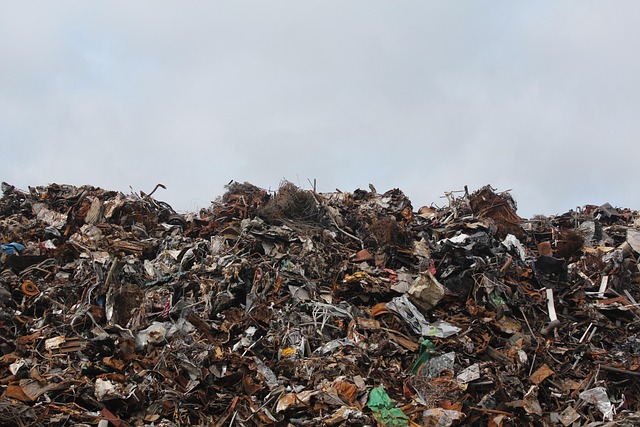
Computer Recycling Boston: A Green Approach to Electronic Waste Management
Boston, a bustling metropolis, is at the forefront of sustainable practices, including responsible computer recycling. With an ever-growing reliance on technology, proper disposal of electronic waste (e-waste) has become a critical environmental concern. IT asset disposition companies in Massachusetts, such as those specializing in computer recycling Boston, play a pivotal role in ensuring that old hardware is salvaged and recycled effectively, minimizing the ecological footprint left by rapidly advancing technology.
The process involves carefully disassembling computers and other electronic devices to extract valuable materials like precious metals, plastics, and glass. These components can be reused or recycled, preventing them from ending up in landfills where they pose significant environmental hazards. For instance, improper disposal of computer hardware contributes to the release of toxic substances like lead, mercury, and cadmium, which can contaminate soil and groundwater. Boston’s computer recycling services take a meticulous approach to avoid such pollution, ensuring that materials are processed safely and responsibly according to state-mandated guidelines for recycling electronics in MA.
One notable aspect of these programs is their ability to extend the lifespan of valuable resources while fostering a circular economy. In 2020, Massachusetts reported diverting over 45% of its electronic waste from landfills through recycling initiatives, thanks in part to the diligent work of IT asset disposition professionals across the state. By participating in computer hardware salvage programs, businesses and individuals not only contribute to environmental preservation but also gain access to secure data destruction methods, ensuring sensitive information is handled with the utmost care during the recycling process.
Step-by-Step Guide: Navigating Data Destruction Process

Navigating Data Destruction Process: A Step-by-Step Guide to Secure and Eco-Friendly Disposal
The data destruction process is a critical yet often overlooked aspect of responsible IT management, especially as our digital footprint continues to grow exponentially. For businesses in Boston considering green IT disposal solutions, understanding the steps involved in secure data destruction can help ensure compliance with regulations while contributing to a sustainable future through refurbished devices near me and eco-friendly computer recycling services. The first step is to assess the scope of data that needs to be destroyed, whether it’s obsolete hardware or devices no longer in use. This involves identifying sensitive information stored on each item, such as personal data, intellectual property, or financial records.
Once the extent of the data is known, organizations can employ various secure data destruction methods. One widely recommended approach is physical destruction, where hard drives and other storage media are physically shredded or degaussed to ensure data is permanently unrecoverable. For instance, some reputable Boston-based computer recycling centers offer on-site destruction services, allowing businesses to witness the process firsthand to gain assurance about their data security. Another method is software-based destruction, which uses specialized tools to overwrite and delete data multiple times, making it nearly impossible to recover.
After selecting an appropriate data destruction method, the next step involves partnering with a trusted provider of free tech recycling pick up services. Many reputable companies offer collection programs where they come to your location to pick up old electronics at no cost, ensuring convenience for businesses and individuals alike. Upon receipt, these providers follow strict protocols, such as data erasure or physical destruction, before processing devices for refurbishment or responsible recycling. By adhering to these meticulous processes, organizations can rest assured that their sensitive information is handled securely while contributing to the circular economy through eco-friendly computer recycling services.
Compliance and Peace of Mind: Ensuring Data Security

In today’s digital landscape, ensuring data security through comprehensive computer recycling Boston services is paramount for businesses and individuals alike. With a vast array of sensitive information stored on electronic devices, proper disposal methods are crucial to prevent unauthorized access and data breaches. Computer recycling events Massachusetts have become increasingly popular, offering free tech recycling pick-up options that facilitate the responsible elimination of e-waste. These recycling centers for old electronics not only contribute to environmental sustainability but also provide peace of mind by guaranteeing data destruction in compliance with industry standards.
For example, a recent study revealed that as much as 80% of electronic devices disposed of still contain retrievable data, highlighting the critical need for robust e-waste recycling businesses. Organizations like those found in Massachusetts are at the forefront of this initiative, employing state-of-the-art techniques to completely obliterate hard drives and other storage media. This ensures that no remnants of personal or corporate information can fall into the wrong hands. By participating in these programs, individuals and companies can avoid potential legal repercussions stemming from data privacy violations.
Moreover, computer recycling Boston services often include detailed reporting on the destruction process, providing transparency and accountability. This documentation is particularly important for businesses that must adhere to stringent regulatory frameworks such as GDPR or HIPAA. By partnering with reputable e-waste recycling businesses, organizations can demonstrate their commitment to protecting sensitive data while contributing to a sustainable future through responsible electronic waste management.
By embracing expert data destruction services, individuals and organizations in Boston can ensure secure and compliant removal of sensitive information. The article has highlighted the critical importance of proper data eradication, especially with the growing emphasis on data privacy and protection. Through understanding the local context, such as the unique perspective of data destruction in Boston, businesses can make informed decisions. Choosing specialized services offers enhanced security through advanced techniques, ensuring no trace of data remains. Furthermore, computer recycling Boston provides an eco-friendly approach, demonstrating a commitment to both environmental sustainability and secure data disposal. The step-by-step guide has offered a transparent view of the process, enabling readers to navigate data destruction with confidence. Ultimately, this article equips readers with the knowledge to protect their data, foster trust, and promote responsible computer recycling practices in Boston and beyond.